Let’s talk about something every SEO expert loves to obsess over—backlinks.
You already know they’re a huge ranking factor. Google sees them as votes of confidence. Like online referrals. But not all backlinks are created equal. In fact, chasing low-quality links can actually hurt your site more than help it.
So here’s the million-dollar question:
How do you get high-quality backlinks naturally—without begging, bribing, or burning out?
That’s exactly what I’m going to show you.
This isn’t theory. I’ve built backlinks for blogs, SaaS companies, eCommerce brands, and niche sites for over a decade—and I’ve learned what works and what’s just noise.
So grab your coffee. We’re diving deep.

First, What Are High-Quality Backlinks?
Before we talk strategy, let’s be clear about what you should aim for.
High-quality backlinks:
- Come from authoritative sites (think high DR/DA, but also real-world trust)
- Are contextually relevant to your content
- Send actual referral traffic
- Are earned—not bought, traded, or spammed
- Are placed naturally within editorial content (not footers or sidebars)
Google’s algorithm is smarter than ever. It doesn’t just count links—it reads them. The who, why, and where all matter.
1. Create Content People Want to Link To (Not Just Read)
Let’s cut through the fluff.
You can’t build great backlinks to mediocre content. Period.
This was a hard pill I had to swallow early on. I’d spend hours writing blog posts that got a few likes—but zero links. Why? Because the content wasn’t link-worthy.
Ask yourself:
Why would another site risk their reputation to link to your page?
Make your content so useful, surprising, insightful, or downright unique that people feel compelled to reference it.
Here’s what works:
- Original research or data – Numbers are powerful. People love to quote stats.
- Definitive guides – Like this one 😉. Think: 2,000+ words, packed with value.
- Visual content – Infographics and charts are highly shareable.
- Expert roundups – Feature influencers in your niche (they’ll likely link back).
- Controversial takes – As long as you can back it up, hot takes get attention.
✅ Example: I once published a case study showing how I tripled traffic to a niche site using internal linking strategies. That post earned links from Moz, Ahrefs, and several marketing blogs—without a single outreach email.
2. Build Relationships Before You Need Them
This is the part most people skip.
We live in a world that’s obsessed with automation and cold outreach. But the truth? Backlinks come from people, not bots.
I’m not saying outreach is bad—I’m saying that outreach without relationship is just noise.
So start building real relationships:
- Engage on social media. Leave meaningful comments, not just likes.
- Join niche communities. Forums, subreddits, Discord groups. Be helpful.
- Link out first. Show love before you ask for it.
- Send thank-you emails. Not pitches. Just gratitude.
People remember generosity. And when the time comes to ask for a link? You’re no longer a stranger. You’re part of their network.
3. Pitch Strategically (Without Sounding Like a Link Beggar)
Let’s talk about outreach—but let’s do it with class.
When I send outreach emails, I never lead with, “Can you link to my article?”
That’s a hard ask. It feels transactional. And no one likes to feel used.
Instead, here’s how I approach it:
- Mention their content—specifically and sincerely.
- Add value—suggest a helpful resource (yours) if it fits.
- Don’t ask for a backlink immediately. Start the conversation.
- Offer something in return. A quote, a mention, a collaboration.
Here’s a template that actually works:
Hey [Name], I loved your article on [Topic]. Especially the part where you talked about [specific insight]—totally nailed it.
I recently put together a deep-dive guide on the same topic with some fresh stats from [study/source]. If you ever update that post, it might be a good fit.
Either way, just wanted to say thanks for the great content. Bookmarked it.
– [Your Name]
No pressure. No pushy tone. Just value.
FREE SEO GUIDE
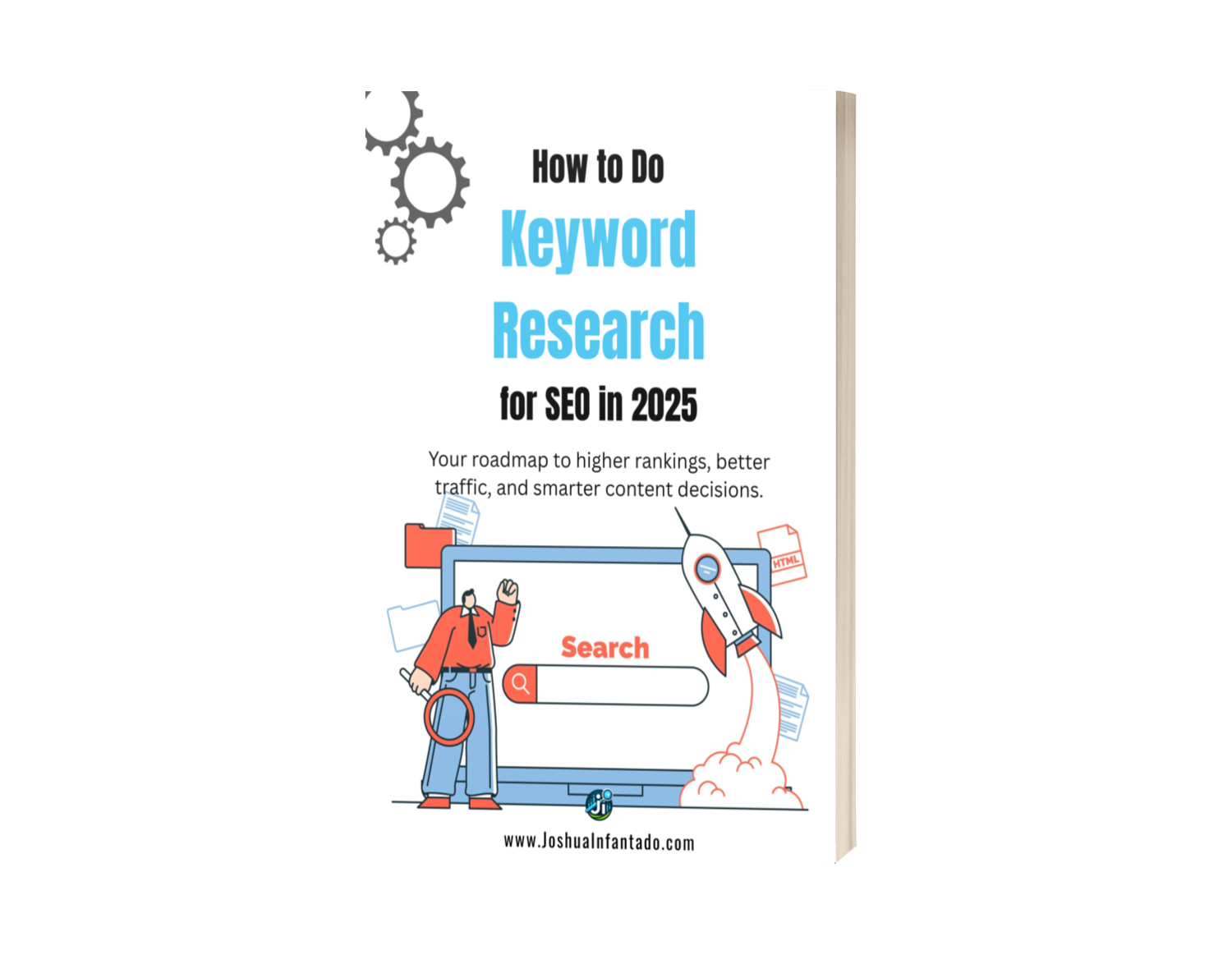
🚨 Want to rank higher on Google in 2025? Stop guessing and start ranking.
I’ve put together a FREE downloadable guide that reveals exactly how to do keyword research for SEO in 2025—the smart, strategic way.
✅ No fluff
✅ No outdated tactics
✅ Just real, actionable strategies that work right now
If you’re tired of pouring your heart into content that no one sees… this is your roadmap.
📥 Download it now by providing your best email below and start turning keywords into clicks, and clicks into customers.
Your future rankings will thank you.
4. Be Newsworthy—Even if You’re Not “Big”
You don’t have to be a Fortune 500 company to be linkable. You just have to do something worth talking about.
Here are a few ways to create your own buzz:
- Publish original research. Surveys, case studies, experiments.
- Launch a free tool or template. Utility drives links.
- Speak at events or podcasts. Your profile grows. So do backlinks.
- Do something unexpected. A viral challenge, a bold giveaway, a unique rebrand.
Every time I launch a new tool or offer a unique resource, I pitch it to small blogs, local news, and niche industry sites. Those “smaller” links often punch above their weight.
5. Leverage Existing Mentions (Low-Hanging Fruit)
Ever Google your brand or name?
You might find articles already talking about you—but not linking.
Here’s what to do:
- Use tools like Ahrefs, Google Alerts, or Mention to track unlinked mentions.
- Reach out politely and ask if they can turn the mention into a clickable link.
This strategy has worked wonders for my clients.
A simple nudge like:
Hey [Name], thanks for mentioning [Your Brand] in your post. Any chance you could link the mention to [Your URL]? That would really help readers find us easier.
More often than not—they’ll say yes.
6. Guest Posting (Done the Right Way)
Yes, guest posting still works. But not the spammy kind.
I’m talking about writing real, valuable content for reputable sites in your niche. You’re not just chasing a backlink—you’re building authority and trust.
When I started, I offered to write guest posts for small marketing blogs with loyal readers. That content lived on, drove traffic, and built my brand’s reputation.
Do:
- Pitch unique ideas tailored to their audience.
- Show writing samples.
- Focus on providing value, not just dropping your link.
Don’t:
- Use spun content.
- Mass-email hundreds of sites.
- Demand dofollow links.
Earn trust first. Links follow naturally.
7. Collaborate with Influencers and Creators
Partnerships are powerful.
Whether it’s a co-authored blog post, a video collaboration, or a social media series—working with others can expose you to their audience and generate backlinks from their platforms.
Example:
I once co-created a free SEO checklist with a YouTuber in my niche. We both promoted it. He linked to it from his video description, and it ended up getting featured on three major SEO roundup posts.
More connections, more credibility, more backlinks.
8. Turn Testimonials Into Links
You’ve probably used tools or services you love. So why not write them a glowing testimonial?
Many companies showcase customer reviews on their homepage—with a backlink to your site.
Pro tip: Offer a photo and your full name with your testimonial. It adds authenticity and makes it more likely they’ll feature you.
Final Thoughts: Quality Over Quantity, Always
I won’t lie—getting high-quality backlinks takes time, intention, and integrity. But it’s so worth it.
You don’t need thousands of backlinks. You need the right ones. The ones Google trusts. The ones that actually bring traffic. The ones that make your brand stand out.
So stop chasing shortcuts. Start building real value and relationships.
If you commit to that, backlinks won’t be your problem. They’ll be your reward.
Remember this:
👉 Links are earned, not built.
👉 Authority grows with authenticity.
👉 SEO is a marathon—but backlinks? They’re the fuel that keeps you going.
Now it’s your move.
Start by picking one strategy from above and take action today. Not tomorrow. Today.
Because the internet is waiting—and it’s got links with your name on them.
What’s your biggest struggle when it comes to backlinks?
Drop it in the comments or send me a message. Let’s build something worth linking to.

About the Author
Joshua Infantado has been writing online since 2013 and has spent over a decade mastering the art and science of SEO. With a proven track record of helping hundreds of websites climb the Google rankings, he’s passionate about turning content into powerful, high-converting assets. Ready to boost your SEO? Let’s talk. Email Joshua at joshuainfantado@gmail.com or message him on WhatsApp at +63 976 247 6121.
 Internet Marketing Solution