How to Create an Editorial Calendar That Actually Works
Let me ask you something real quick.
Are you creating content based on “whatever comes to mind” that day? Are you playing catch-up, scrambling for ideas, wondering why your content isn’t moving the needle?
You’re not alone. I’ve been there.
But let me tell you this—the difference between a blog that flops and a blog that flies often comes down to one unsexy, overlooked tool: an editorial calendar.
Yes. That simple.
But when done right, it becomes a powerhouse for consistency, clarity, and real growth.
Today, I’ll show you exactly how to create an editorial calendar that actually works—not just looks good on paper.
Quick Answer: How to Create an Editorial Calendar That Actually Works
To create an editorial calendar that actually works, follow these steps:
- Define your content goals – Know your “why” and target audience.
- Conduct keyword research – Focus on SEO-friendly topics with real user intent.
- Choose content types – Mix evergreen, seasonal, and promotional content.
- Pick a tool you’ll use – Google Sheets, Notion, Trello, or CoSchedule.
- Plan consistently but flexibly – Schedule posts weekly or monthly, but leave room for adjustments.
- Review and optimize regularly – Analyze what’s working and refine your calendar monthly.
An effective editorial calendar aligns your content with SEO goals, drives traffic, and keeps you consistent.
Why Most Editorial Calendars Fail (And How to Avoid the Trap)
You’ve probably downloaded free templates, tried using Google Sheets, or even bought that fancy $49/month content planner. And maybe it worked… for a week or two.
Then life happened. Deadlines got missed. Ideas dried up. Motivation slipped.
Here’s the truth: it’s not about the tool—it’s about the strategy.
What you need isn’t just a schedule.
You need a system.
One that aligns with your SEO goals. One that reflects your brand voice. One that fuels creativity without burning you out.
What Is an Editorial Calendar? (And Why Should You Care?)
An editorial calendar is your content roadmap. It’s the who, what, when, where, and why of your content strategy.
But here’s where most people get it wrong: they think it’s just about filling dates on a calendar.
Wrong.
An editorial calendar done right connects the dots between your audience’s needs, your business goals, and search engine demand.
When I first created mine (back in the day when I was juggling client work, blog writing, and SEO audits like a circus act), I finally stopped guessing. My content became intentional. Predictable. Impactful.
I ranked higher. I grew faster. I slept better.

Step 1: Start With Your Why (Seriously, Don’t Skip This)
Before you even open a spreadsheet or a fancy planning tool, ask yourself:
- Why am I creating content?
- Who am I trying to help?
- What action do I want them to take?
This isn’t just fluff. Your “why” gives your content purpose. Purpose breeds consistency. Consistency breeds trust. And trust? That’s SEO gold.
If your blog exists to educate new app developers, your calendar should reflect content that tackles their pain points—not random musings about tech news just because it’s trending.
Step 2: Build Around Keyword Research—But Make It Human
Listen, I’ve done SEO for years. I’ve run audits, ranked sites, outranked competitors who had 10x my budget. So trust me when I say:
If your editorial calendar isn’t built around strategic keywords, you’re already 10 steps behind.
Use tools like:
- Google Keyword Planner
- Ahrefs
- Ubersuggest
- AnswerThePublic
But here’s the kicker: don’t just chase search volume.
Let’s say you find that “best productivity apps for writers” gets 6,000 monthly searches. Great. But don’t stop there.
Ask:
- What real problem are these people facing?
- What emotional state are they in when searching this?
- Can I add my voice, my experience, and a unique angle?
Your content should answer search queries and make people feel heard.
That’s what Google loves. And that’s what your audience remembers.
FREE SEO GUIDE
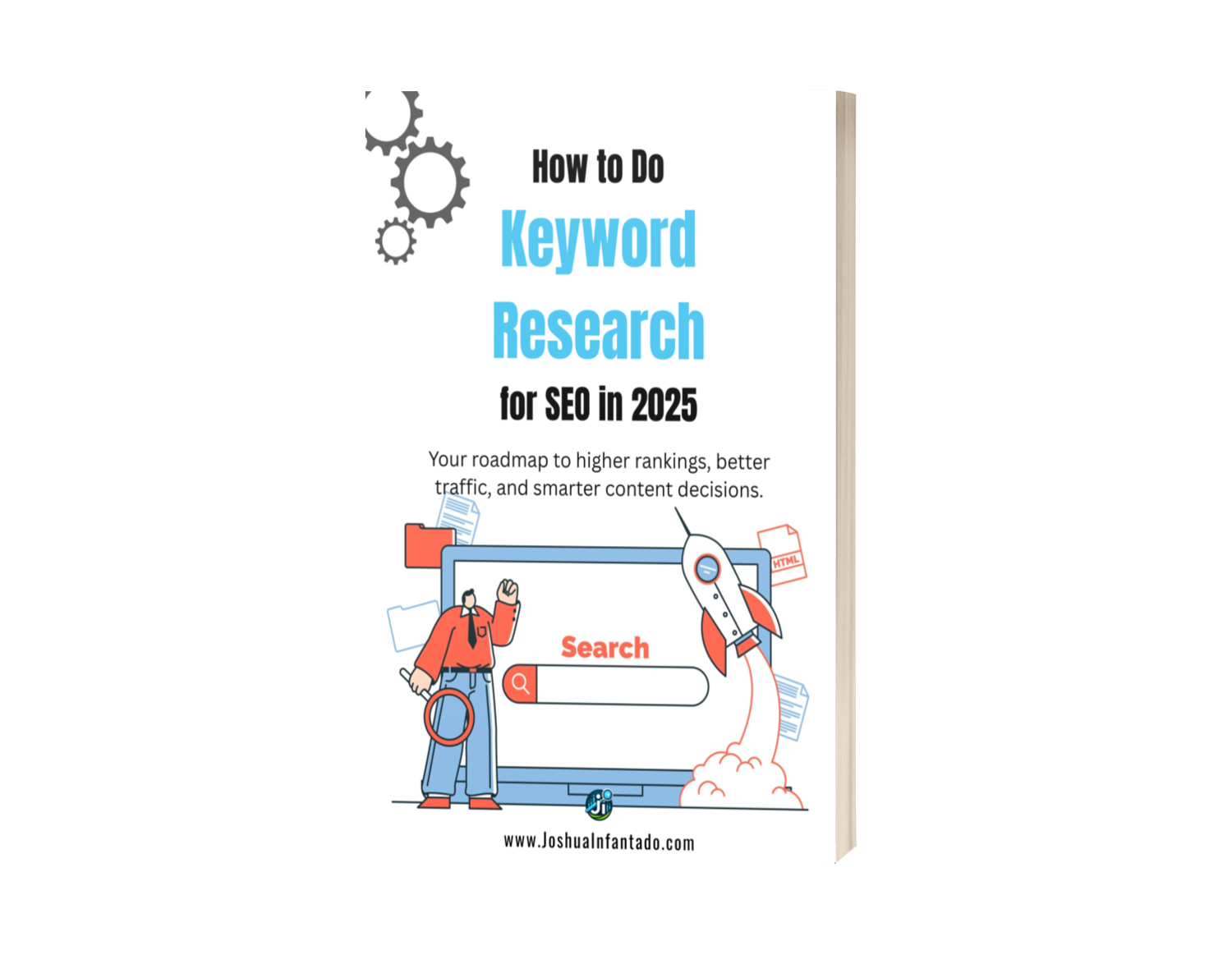
🚨 Want to rank higher on Google in 2025? Stop guessing and start ranking.
I’ve put together a FREE downloadable guide that reveals exactly how to do keyword research for SEO in 2025—the smart, strategic way.
✅ No fluff
✅ No outdated tactics
✅ Just real, actionable strategies that work right now
If you’re tired of pouring your heart into content that no one sees… this is your roadmap.
📥 Download it now by providing your best email below and start turning keywords into clicks, and clicks into customers.
Your future rankings will thank you.
Step 3: Choose Your Content Types Like a Pro
An editorial calendar is not just blog titles and dates.
It’s about content diversity.
Here’s what you should plan for:
- Long-form SEO blogs (1,500–2,500 words)
- Short-form educational posts
- Evergreen content (timeless value)
- Seasonal content (trends & events)
- Social snippets (repurposed blog bites)
- Newsletters (nurture your list)
Example: Every first Monday of the month, I publish a long-form blog post targeting a primary keyword. The next week, I send a related email with a story from my own life that ties into the same topic. That’s not just a calendar—that’s a content ecosystem.
Step 4: Choose a Calendar Tool That Works for You
You don’t need a $500 content suite. Use what’s sustainable.
Here are some proven options:
- Google Sheets – Easy, collaborative, free.
- Trello or ClickUp – Visual boards, drag-and-drop, great for teams.
- Notion – Clean, customizable, and ideal for solo creators.
- CoSchedule – If you want automation and integration.
The point isn’t which tool is best—it’s which one you’ll actually use consistently.
I used to obsess over the perfect setup. Now I use a simple Notion board because it fits my workflow. And that simplicity? It keeps me consistent.
Step 5: Schedule With Flexibility, Not Rigidity
Let’s be real. Life happens. Kids get sick. Clients change their minds. Writer’s block hits hard.
Your calendar should guide you, not guilt-trip you.
Build in “breathing space.” For example:
- Buffer weeks with no content (just in case)
- Repurpose old content instead of always starting from scratch
- Batch-create content ahead of time
Remember: momentum > perfection.
Step 6: Review, Refine, Repeat
The best editorial calendars aren’t static—they evolve.
Every month, ask:
- Which posts brought in the most traffic?
- Which topics sparked engagement?
- What’s trending now that I should add?
I once wrote a blog that flopped. I almost deleted it. But a month later, I re-optimized it, changed the headline, and promoted it on LinkedIn—and it tripled my email sign-ups in one week.
Don’t be afraid to tweak and relaunch. Google loves fresh content, and your audience loves relevance.
Bonus Tips to Make Your Editorial Calendar SEO-Friendly
Let’s wrap this up with a few battle-tested gems:
✅ Plan internal links. Tie blog posts together to build topical authority.
✅ Align with search intent. Don’t just use keywords—match the reason people search them.
✅ Use content pillars. Choose 3–5 main topics and build clusters of related content.
✅ Map content to funnel stages. Top-of-funnel blogs for traffic. Mid-funnel for trust. Bottom-funnel for conversions.
✅ Keep evergreen posts in rotation. Update them regularly, and they’ll keep driving traffic for years.
Final Thoughts: The Editorial Calendar That Works Is the One You Use
Here’s the honest truth.
A calendar won’t make you a content machine overnight. But it gives you the framework to show up consistently, strategically, and intentionally.
I’ve used this system to help clients double their organic traffic in 6 months. I’ve used it to grow my own blog, even when I had zero time and zero help. I’ve taught it to others, and watched their confidence and consistency soar.
So don’t overthink it. Don’t wait until everything is “perfect.”
Start simple. Start today.
Because when you know what to create, why you’re creating it, and who you’re doing it for—that’s when the magic happens.
That’s when your blog becomes unforgettable.
That’s when Google starts to notice.
And that’s when your audience starts saying, “Wow, they really get me.”
Now it’s your turn.
🔥 Got a content goal? Let me help you build a calendar around it. Drop your niche below and I’ll give you a free 3-topic jumpstart. Let’s get your content working for you—not the other way around.

About the Author
Joshua Infantado has been writing online since 2013 and has spent over a decade mastering the art and science of SEO. With a proven track record of helping hundreds of websites climb the Google rankings, he’s passionate about turning content into powerful, high-converting assets. Ready to boost your SEO? Let’s talk. Email Joshua at joshuainfantado@gmail.com or message him on WhatsApp at +63 976 247 6121.
 Internet Marketing Solution